
Body contouring resh
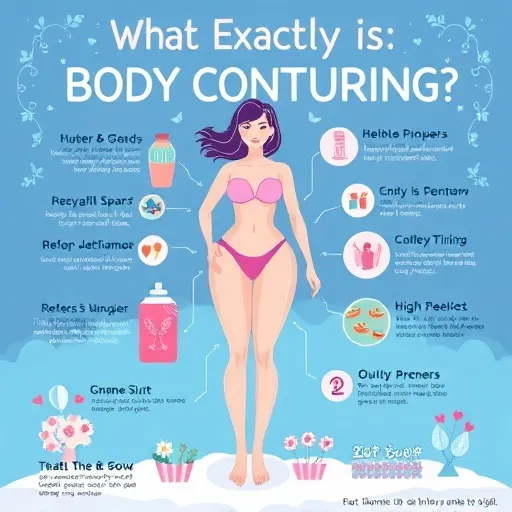
What Exactly Is Body Contouring?
At its core, body contouring is a catch-all phrase for aesthetic treatments designed to reshape specific zones of your physique. Unlike traditional weight loss methods, body contouring isn't really about the number staring back at you from the scale. It's about refining body proportions — slimming the waistline, toning the abdomen, sculpting the arms, or smoothing out stubborn fat pockets that just won't budge no matter how many squats you crank out at the gym.
When people ask what body contouring actually involves, the answer usually falls into two broad buckets:
- Non-invasive and minimally invasive treatments — no surgery, little to no downtime, and minimal discomfort
- Surgical procedures — more dramatic results, but with recovery time, scarring risks, and higher costs
In 2026, the majority of people exploring body contouring are leaning toward the non-surgical route. Why? Because technology has improved so dramatically that you can achieve noticeable results without ever going under the knife. Body contouring has essentially gone mainstream, and the stigma that once surrounded these treatments has largely faded.
Why Body Contouring Is Having a Major Moment in 2026
A few things have shifted recently that are absolutely worth paying attention to if you're considering body contouring.
First, personalization is everything now. Gone are the days of one-size-fits-all treatment plans. Modern body contouring relies on detailed body composition analysis, 3D imaging, and even AI-assisted consultation tools to map out a plan that's unique to your anatomy. A reputable clinic will assess your skin elasticity, fat distribution, muscle tone, and lifestyle before recommending anything. This level of customization is a huge leap forward for body contouring.
Second, combination protocols are becoming the norm. Instead of choosing between fat reduction OR muscle building OR skin tightening, many practitioners now design stacked treatment plans that address multiple concerns at once. You might do a fat-reduction session one week, a muscle-stimulation session the next, and a skin-tightening procedure a few weeks later. This layered approach to body contouring tends to deliver far more satisfying outcomes.
Third, recovery science has advanced significantly. Post-treatment care now includes things like lymphatic massage protocols, compression garment innovations, and even wearable devices that track healing progress. This means faster bounce-back times and more comfortable experiences overall — a big deal for anyone diving into body contouring for the first time.
Popular Non-Surgical Body Contouring Options Worth Exploring
1. Cryolipolysis (Fat Freezing)
This is still one of the most requested body contouring treatments worldwide. The concept is simple: controlled cooling is applied to fat cells, which then crystallize and are naturally eliminated by your body over the following weeks. It's non-invasive, requires zero downtime, and works best on pinchable fat pockets — think love handles, belly pooch, or inner thighs.
In 2026, the latest generation of cryolipolysis devices offers faster treatment times and more uniform cooling, which means better results in fewer sessions. Most people need one to three sessions per area, with full results visible after two to three months. For many, this remains the gateway into the world of body contouring.
2. Radiofrequency and Ultrasound Therapy
These technologies use energy waves to heat deeper layers of skin and fat. The heat stimulates collagen production (which tightens skin) and can also break down fat cells. Radiofrequency treatments are particularly popular for the face, neck, and jawline, but body applicators are widely available too.
What's new in 2026? Devices now combine multiple energy types — radiofrequency plus ultrasound plus vacuum massage — in a single handpiece. This multi-modal approach tends to deliver more consistent body contouring results than older single-energy machines.
3. Electromagnetic Muscle Stimulation
If your goal is definition rather than fat loss, this might be your best bet. These devices contract your muscles at intensities far beyond what voluntary exercise can achieve — we're talking thousands of contractions in a single 30-minute session. The result? Increased muscle mass and improved tone in treated areas. It's a completely different angle on body contouring that appeals to people who are already fit but want more sculpt.
The abdomen and buttocks remain the most popular treatment zones, but in 2026, we're seeing more interest in the arms, calves, and even the pelvic floor. Yes, really.
4. Injectable Fat Dissolvers
These are minimally invasive injections that break down fat cells in targeted areas. They're particularly useful for smaller, delicate zones where device-based treatments can't reach — like under the chin or along the jawline.
That said, this category has seen more regulatory scrutiny in recent years. If you're considering injectables for body contouring, make sure you're working with a licensed medical professional who uses approved formulations. Don't cut corners here.
5. Laser Lipolysis
This minimally invasive procedure involves inserting a thin laser fiber under the skin to liquefy fat, which is then removed through a small cannula. It's sometimes called "laser lipo" and sits somewhere between non-surgical and surgical options. Recovery is faster than traditional surgery but slower than completely non-invasive treatments. It's a solid middle-ground option in the body contouring spectrum.
Surgical Body Contouring: Still Relevant in 2026?
Absolutely. For people with significant skin laxity after major weight loss, or those who want dramatic reshaping, surgical options like tummy tucks, body lifts, and liposuction remain the gold standard. The results are more pronounced and longer-lasting than anything non-surgical can achieve.
However, surgery comes with real risks: anesthesia complications, infection, scarring, and a recovery period that can last several weeks. It's also significantly more expensive. In 2026, many people opt for a hybrid approach — surgery for the heavy lifting, followed by non-invasive treatments for fine-tuning. This blended strategy is becoming one of the smartest ways to approach body contouring.
How to Choose the Right Body Contouring Provider
This might be the most important factor in your entire body contouring journey. The market has exploded, and not everyone offering these services is qualified to do so.
Here's a quick checklist:
- Credentials matter. Look for licensed medical professionals — physicians, nurse practitioners, or physician assistants with specialized training in aesthetic procedures.
- Real testimonials, not just before-and-afters. Photos can be edited. Seek out detailed reviews from real clients that describe the full experience, including recovery and follow-up care.
- Consultation should be thorough. If a provider rushes you through a five-minute consultation and immediately pushes a package deal, walk away. A proper assessment takes time.
- Ask about technology. Which device? Which generation? Is it FDA-cleared or equivalent? How many treatments will you realistically need?
- Discuss risks honestly. Every procedure has potential side effects. A trustworthy provider will explain them clearly, not gloss over them.
What Results Can You Realistically Expect From Body Contouring?
Let's be honest: no body contouring treatment is a substitute for a healthy lifestyle. If you're looking for a magic wand that erases years of inactivity and poor nutrition, you'll be disappointed.
That said, for people who are already eating well and exercising regularly but struggling with resistant areas, body contouring can be genuinely transformative. Realistic expectations look something like this:
- Non-surgical fat reduction: 20–25% fat reduction per treatment area after a full session series
- Muscle stimulation: noticeable tone improvement after 4–6 sessions
- Skin tightening: gradual improvement over 2–6 months as collagen remodels
Results vary based on your age, skin quality, metabolism, and adherence to post-treatment guidelines. Your provider should give you a personalized projection — not a generic promise. That's the hallmark of a responsible body contouring experience.
The Role of Lifestyle in Body Contouring Success
Here's something the marketing materials don't always tell you: your habits before and after treatment play a huge role in how well your body contouring results hold up.
Hydration, protein intake, sleep quality, and consistent movement all influence how your body responds to contouring treatments. Some clinics now offer integrated wellness programs that pair procedures with nutrition coaching and customized fitness plans. This holistic approach tends to produce the most sustainable outcomes for body contouring patients.
Also worth noting: maintaining your results requires maintenance sessions. Most non-surgical treatments aren't permanent. Fat cells that are destroyed don't come back, but remaining fat cells can still expand if you gain weight. Muscle stimulation results fade if you don't maintain some level of physical activity. Body contouring works best as part of an ongoing commitment to your health.
Cost Considerations for Body Contouring in 2026
Pricing varies widely depending on your location, provider expertise, treatment area, and the technology used. Generally speaking:
- Single non-surgical sessions: $200–$800 per area
- Full treatment packages: $1,500–$5,000+
- Surgical procedures: $5,000–$15,000+
Many clinics offer financing options, membership plans, or bundled packages that reduce per-session costs. But be cautious of deeply discounted deals — they sometimes indicate outdated equipment or inexperienced practitioners. Quality body contouring is an investment, not a bargain hunt.
Insurance rarely covers cosmetic body contouring, though some medically necessary procedures (like skin removal after significant weight loss) may be partially covered. Always check with your provider and insurer.
Emerging Body Contouring Trends to Watch
The body contouring space isn't standing still. Here are a few developments gaining traction in 2026:
- AI-driven treatment planning: Algorithms that analyze your body composition and predict the most effective treatment combination
- At-home maintenance devices: Consumer-grade tools that complement professional body contouring treatments between sessions
- Regenerative approaches: Treatments that combine fat reduction with stem cell or PRP therapies to enhance skin quality and healing
- Gender-inclusive body sculpting: More clinics are tailoring protocols for diverse body types and gender identities, moving beyond the traditional one-size-fits-all approach to body contouring
Is Body Contouring Right for You? Some Final Pointers
There's no universal answer. Body contouring is a personal decision, and it's one that should be made with clear information, realistic expectations, and guidance from qualified professionals.
If you're in good general health, close to your goal weight, and dealing with specific areas that won't respond to diet and exercise, you're probably a good candidate for body contouring. If you're looking for a quick fix for significant weight loss, you'll likely be better served by addressing nutrition and physical activity first.
The bottom line? Do your research. Ask hard questions. Take your time. The best body contouring experience is the one where you feel informed, respected, and confident in your choice — not pressured into something you're not ready for.
Your body, your call. Just make sure it's a well-educated one.